The Dependency Report
Vol. 1 · No. 4 · November 2026

Cover story
Process mapping without consultants
25 November 2026
Map the work without becoming dependent on consultants.
See how the work actually gets done, improve the flow, and adopt AI. The usual detour is an hourly project that takes months and leaves the map with the firm.
What gets in the way
You see the symptom, not the flow
Queues, errors, and overtime are visible. The handoffs, the waiting, and the spreadsheet beside the system are not. Without that picture you buy remedies blind.
The AI project starts in the tool
A pilot with no named step becomes a demo. You need to point at the work that should get shorter, who checks the output, and what you will stop doing.
An hourly rate rewards staying
The bill grows with time spent, not with your ability to carry on without them. An open scope is easy to extend. You keep a presentation, and the next question is invoiced again.
Three steps, no project office
You do not need to map the whole company to start. One process is enough.
Bound it
One process, one start, one end, one owner. If you cannot say where it stops, it is not ready to draw.
Ask the people who do it
Short conversations, not a seminar. Draw what they say, including the detours. Read the map back and ask where it lies.
Choose one change
Remove, fix, or automate one step. Set a date to look at the map again. Then stop.
Articles
Cover line
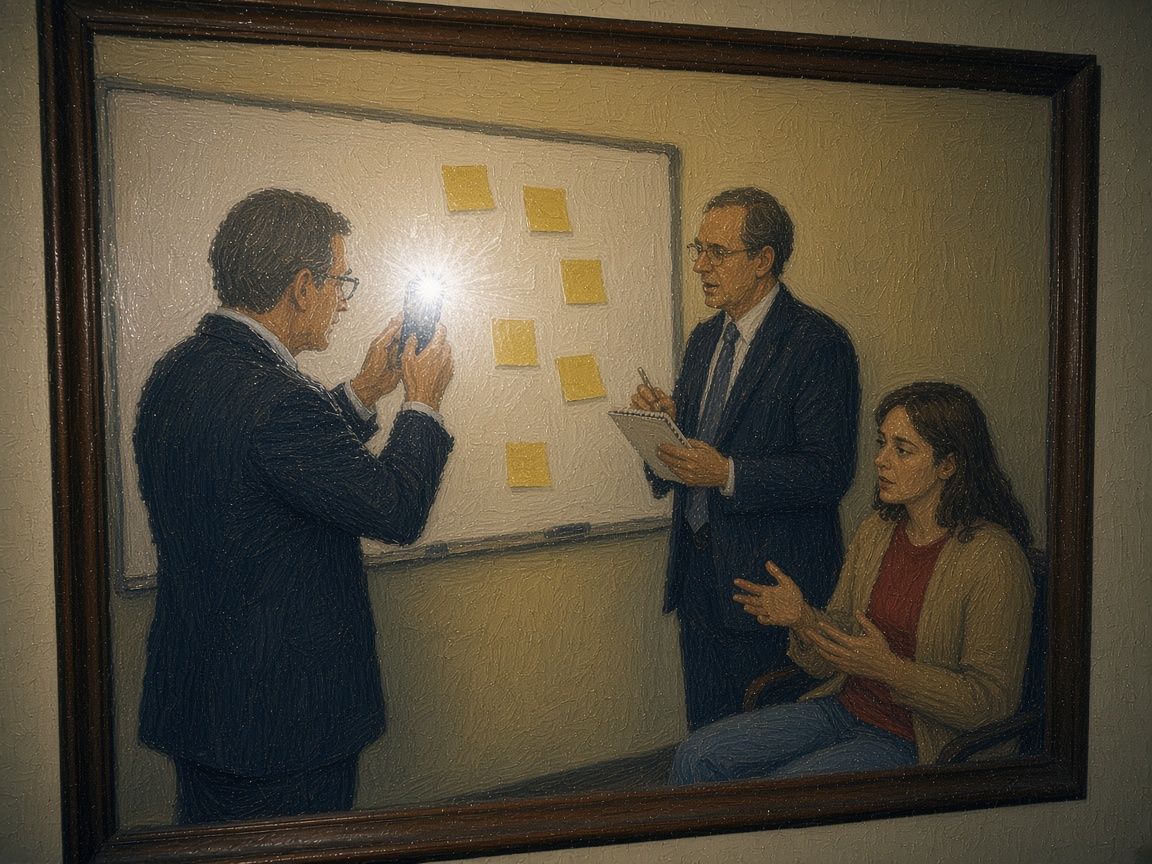
What you actually pay for in a consulting process-mapping project
A meeting room, a photographed whiteboard, and a pyramid of billable hours. What a mapping engagement looks like from the inside, and what to ask before you buy one.
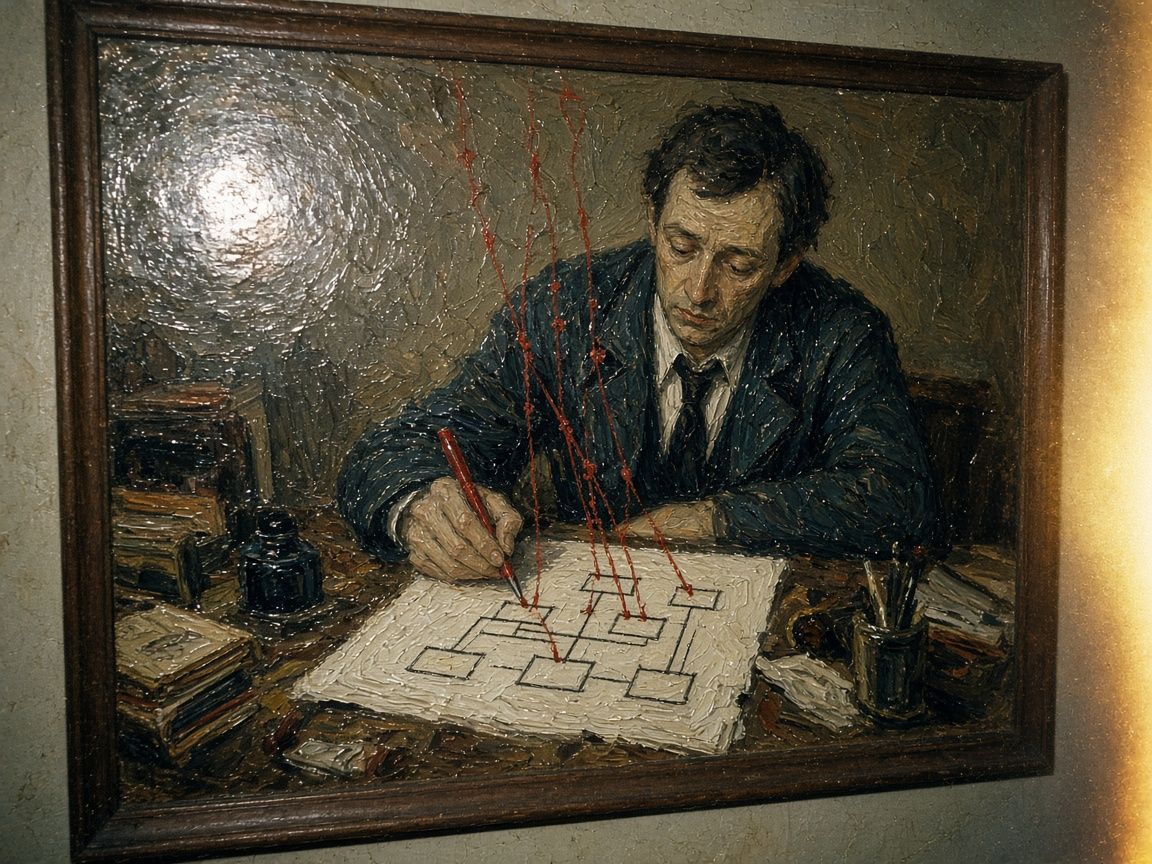
How to map a department in two weeks without a workshop marathon
A field manual with the invitation, a conversation script, and a note template. Two weeks, one process, no sticky notes promoted to the truth.

Before you buy an AI project: five questions the map has to answer
An AI purchase with no named step becomes a demo. Five questions to ask before you sign, and an invented example of the difference.
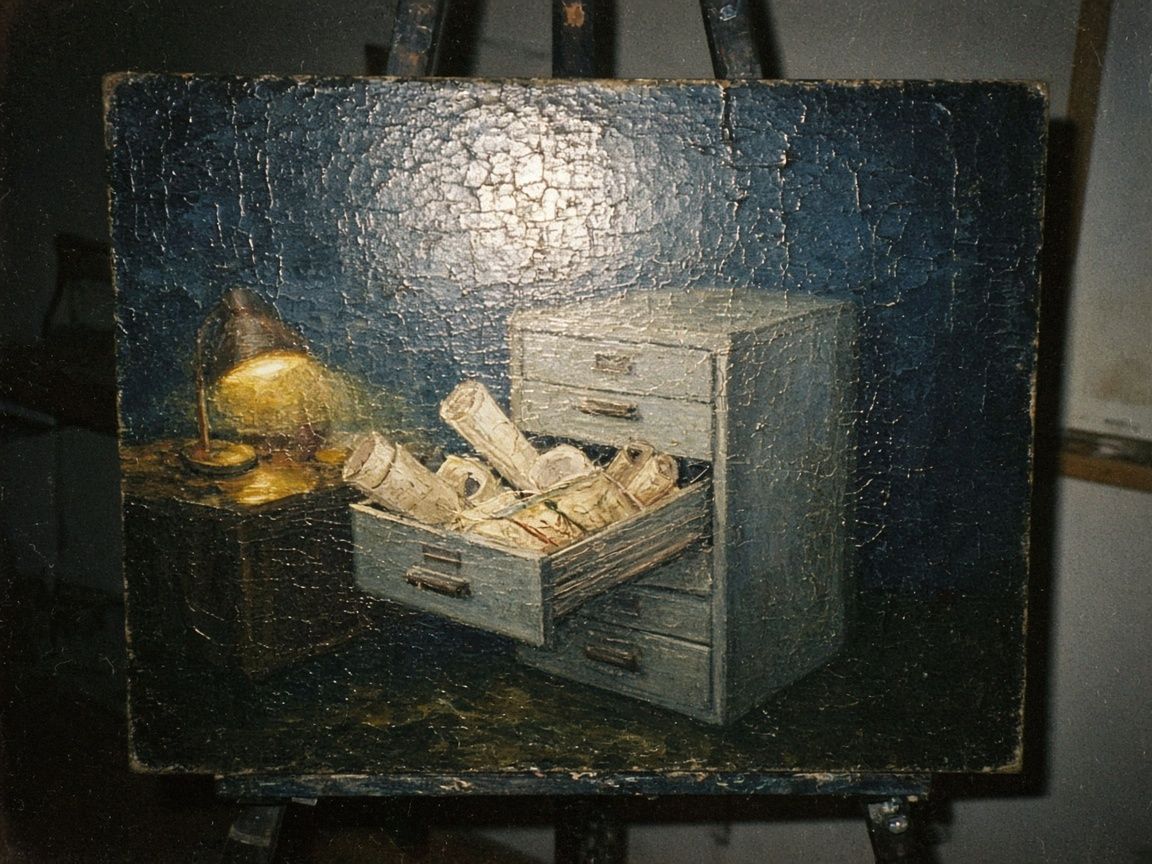
Why process maps die in a drawer
A map dies when it is too polished, too far from the work, or owned by nobody. A small rhythm that keeps the few maps that matter alive.
The hourly model is slow, expensive, and builds dependence.
That is a commercial choice, not a law of nature. You can buy help for a bounded question. You should not rent the understanding of your own work. When the help ends, the map, the exceptions, and the method should sit with you, in a format you can change.
See the alternatives side by side
How this site stays honest
- No invented customers, quotations, or percentages.
- Price is “varies” unless the vendor has published it.
- Vevd is the sponsor of this site, and one of four alternatives in the comparison. Not the conclusion.